

%201.png)

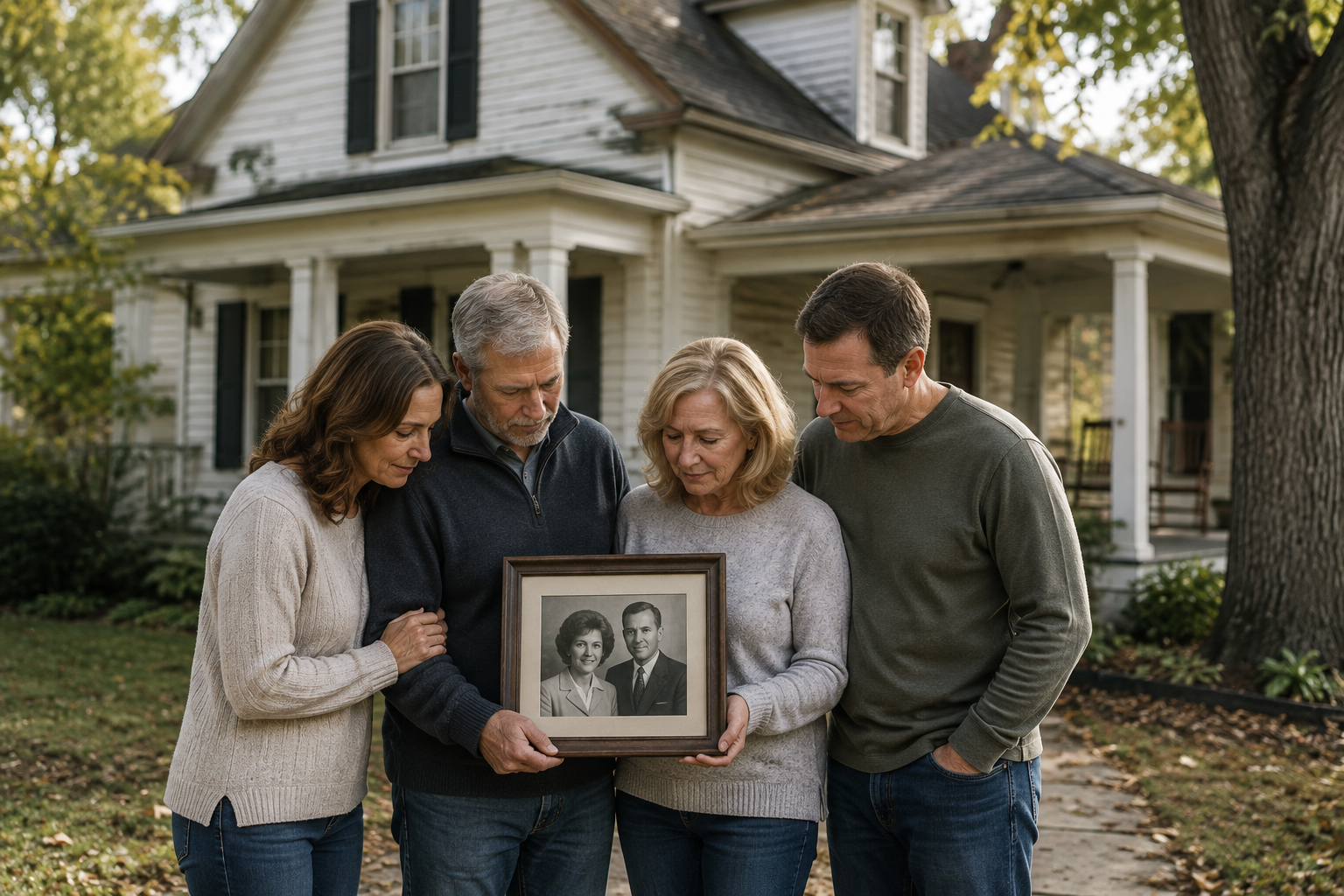
Selling a Home After a Loved One Passes Away: A Guide for Families

Krista Hartmann
Comfortable and confident – those are some of the feelings you come away with after meeting Krista...
Comfortable and confident – those are some of the feelings you come away with after meeting Krista...
Few real estate transactions are as emotional as selling the home of a loved one.
For many families, the house isn't just another property. It's where holidays were celebrated, children were raised, and countless memories were made. Walking through those rooms after losing someone can bring comfort one moment and heartache the next.
When families contact me in these situations, one of the first things I want them to know is this:
You don't have to have everything figured out right away.
There are important decisions to make, but they don't all have to be made today. Taking the time to understand your options often leads to better decisions and a much less stressful experience.
Every Situation Is Different
One of the biggest misconceptions is that every inherited home is sold the same way.
In reality, every family's circumstances are unique.
The home may be owned by:
- An individual estate
- A living trust
- Multiple heirs
- A surviving spouse
- Family members living in different states
Each situation may involve different documentation, timelines, and decision-makers.
For that reason, I always encourage families to work closely with their attorney or estate planning professional regarding legal questions. My role is to help guide the real estate side of the process and coordinate everything needed to prepare and sell the home.
Start With a Plan
One of the first conversations I have with families isn't about pricing.
It's about priorities.
Questions like:
- Is anyone currently living in the home?
- Does the house need to be emptied first?
- Are there family members who want keepsakes?
- Is there a timeline that needs to be met?
- Are all of the decision-makers in agreement?
Taking the time to answer these questions early helps prevent unnecessary stress later.
Cleaning Out a Lifetime of Memories
For many families, this is the hardest part.
Closets filled with decades of belongings.
Photo albums.
Holiday decorations.
Furniture with sentimental value.
It can feel overwhelming to know where to begin.
I often encourage families to move at a pace that feels comfortable whenever possible.
Some choose to gather everyone together for a weekend to sort through belongings.
Others work room by room over several weeks.
Some hire professional estate sale or clean-out companies.
There isn't one right approach.
The important thing is allowing yourself the time and space to make thoughtful decisions.
Should You Renovate Before Selling?
One question I hear frequently is:
"Should we fix everything before putting it on the market?"
The answer depends on the home's condition, the local market, and your family's goals.
Sometimes a few cosmetic improvements—fresh paint, professional cleaning, landscaping, or minor repairs—can make a meaningful difference.
Other times, investing thousands of dollars in renovations doesn't provide enough return to justify the expense.
There are also situations where selling the home as-is may be the best solution.
Every property is different.
Rather than giving the same advice to every family, I prefer to walk through the home and discuss which improvements are likely to provide value and which ones you can confidently skip.
Pricing With Both Your Head and Your Heart
This is often one of the most difficult conversations.
Families naturally remember what the home meant to them.
Buyers evaluate what the home offers today.
Those aren't always the same thing.
The goal is to honor your loved one's home while also pricing it appropriately for today's market.
Accurate pricing creates stronger buyer interest, more showings, and ultimately the best opportunity for a successful sale.
Helping Families From Out of State
It's becoming increasingly common for children to live in another city—or another state—when a parent passes away.
That doesn't mean they have to manage everything alone.
Technology makes it possible to coordinate much of the process remotely.
Through video calls, electronic signatures, detailed updates, and trusted local resources, families can stay informed without making repeated trips back and forth.
Whether it's meeting contractors, coordinating photographers, checking on the property, or communicating with the title company, having a local professional can provide valuable peace of mind.
Selling Isn't Just About the House
One thing I've learned over the years is that these transactions are rarely just about real estate.
Families are grieving.
They're making difficult decisions.
They're balancing emotions, finances, and sometimes differing opinions among siblings.
Patience matters.
Clear communication matters.
Listening matters.
Sometimes the most important thing I can do is simply slow the process down enough for everyone to feel comfortable moving forward.
Choosing the Right Selling Strategy
Not every inherited home belongs on the market immediately.
Some families need additional time.
Others want to sell quickly.
Some homes are excellent candidates for the traditional market after a little preparation.
Others may be better suited for an as-is sale.
The right strategy depends on the condition of the property, the family's goals, and the timeline they're working with.
There's no one-size-fits-all answer.
That's why every plan should begin with understanding what's most important to the people involved.
Final Thoughts
Selling a loved one's home is never just another transaction.
It's the closing of one chapter while beginning another.
If your family is facing this decision, know that you don't have to navigate it by yourselves.
Start by asking questions.
Understand your options.
Take the process one step at a time.
With the right guidance and a thoughtful plan, you can honor your loved one's legacy while making informed decisions that are right for your family.
Frequently Asked Questions
Can I sell my parent's home immediately after they pass away?
It depends on how the property is owned and who has legal authority to sell it. Your attorney or estate planning professional can help determine the appropriate next steps.
Should we renovate the home before selling it?
Not necessarily. Every property is different. Sometimes simple improvements make sense, while other situations are better suited for selling as-is.
What if my siblings and I live in different states?
Many estate sales are coordinated remotely using video calls, electronic signatures, and regular communication. A local REALTOR® can help manage many of the day-to-day details.
How do we determine the right listing price?
The best starting point is a comparative market analysis based on recent sales, the home's condition, and current market trends—not solely on tax assessments or online estimates.
Selling Your Home?
Get your home's value - our custom reports include accurate and up to date information.