

%201.png)

Should I Renovate My House Before I Sell It?

Krista Hartmann
Comfortable and confident – those are some of the feelings you come away with after meeting Krista...
Comfortable and confident – those are some of the feelings you come away with after meeting Krista...
You're thinking about selling your house.
Suddenly, you start noticing everything you'd like to change. The kitchen is dated, the bathroom could use new tile, the carpet has seen better days, and those paint colors you loved ten years ago don't feel quite as current anymore.
Now you're wondering, "Do I need to renovate all of this before I put my house on the market?"
Usually, my answer is: Not necessarily.
After selling homes throughout the St. Louis area since 2014, I've seen sellers benefit from preparing their homes properly. But I've also seen homeowners consider spending money on projects that I don't believe they need to do.
There's a big difference between preparing a home for sale and renovating a home for sale.
Before you start tearing out cabinets or writing a $25,000 check to a contractor, let's figure out what will actually help you sell.
Start With a Pre-Listing Walk-Through
One of the best things you can do before selling is have me walk through your home before beginning major projects.
I'd much rather have that conversation six weeks before you're ready to list than after you've already hired contractors.
When I walk through a property, I'm looking at it differently than the homeowner does. You've seen the house every day, but I'm trying to see what a potential buyer will notice.
What feels dated? What looks worn? What might distract buyers from the home's best features? What could help the property photograph better?
And just as importantly, what doesn't need to be changed at all?
Sometimes sellers are surprised when I tell them not to spend money on something.
But my goal isn't to create the longest home-improvement list possible. It's to help you spend strategically.
I also want to understand what similar homes in your neighborhood are offering buyers.
If competing properties are beautifully updated and yours hasn't been renovated in 30 years, that matters. But it doesn't necessarily mean we need to make your home identical.
We might recommend selected improvements, adjust the pricing strategy, or emphasize advantages such as the location, lot, floor plan, finished basement, or outdoor living space.
The right preparation plan depends on your property, price range, competition, and likely buyer.
Focus on Cleaning, Repairs, and Simple Improvements First
Before we discuss remodeling a kitchen or bathroom, I usually want to start with the basics.
A clean, decluttered home can look dramatically different without a major renovation.
When countertops are covered with appliances, closets are overflowing, or oversized furniture makes rooms feel smaller, buyers may have difficulty appreciating the home's potential.
Some of the most useful preparation steps include:
Decluttering and deep cleaning
Removing excess furniture and organizing closets
Touching up paint and addressing visible wear
Improving landscaping and curb appeal
Taking care of obvious maintenance issues
These projects may not be as exciting as a new kitchen, but they can make a significant difference in how buyers experience the property.
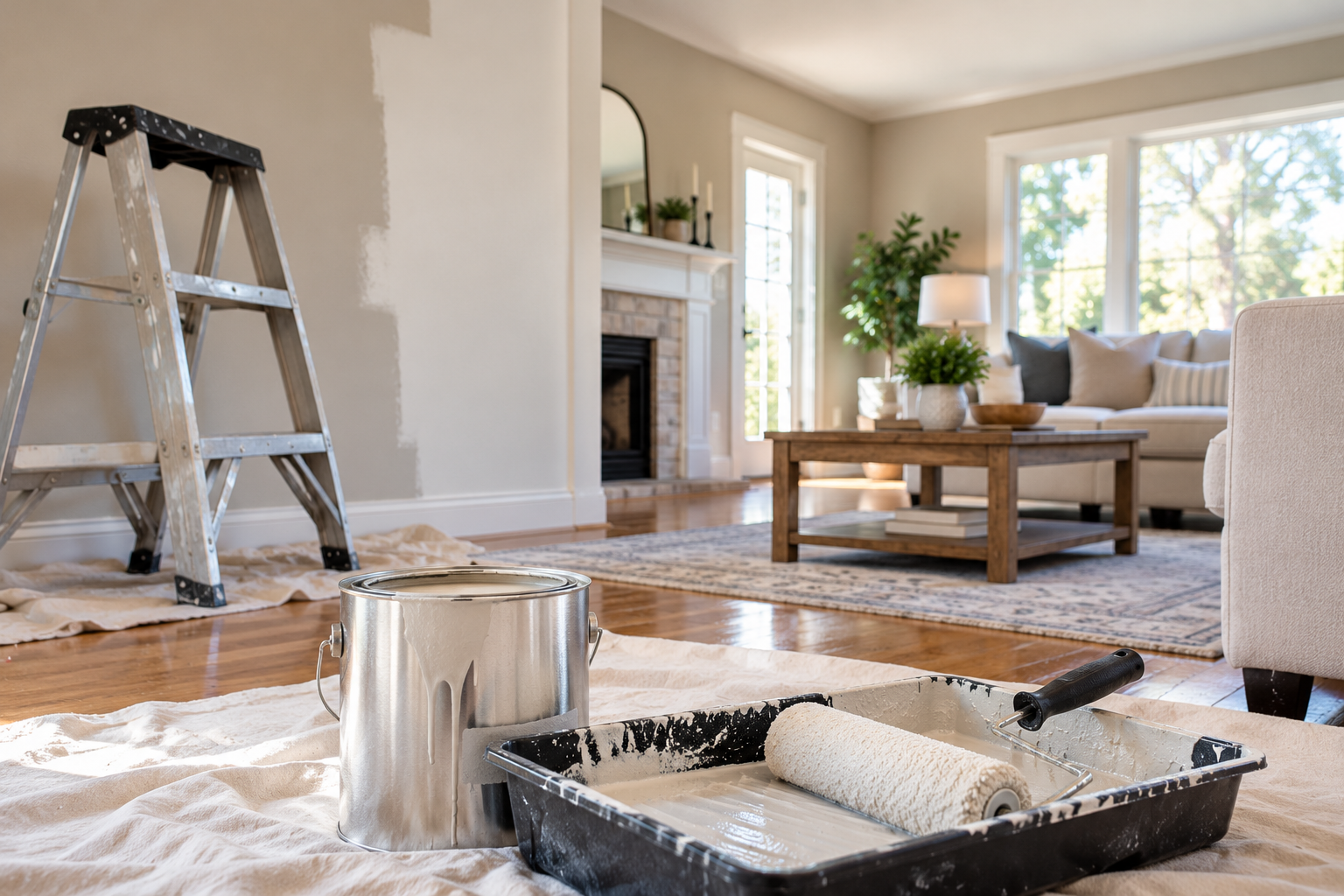
Paint is often one of the first improvements I'll consider. That doesn't mean every seller needs to repaint the entire house, but heavily marked walls, distracting colors, or dark rooms may benefit from a fresh coat.
Flooring is another area worth evaluating.
Worn or stained carpet can make an otherwise well-maintained home feel tired. Sometimes professional cleaning is enough. Other times, replacing flooring may be worthwhile.
And sometimes the best decision is to leave it alone and price the home accordingly.
I also want sellers to understand the difference between cosmetic updates and necessary repairs.
Outdated cabinets are one thing. An active leak, damaged drywall, rotted exterior wood, or a door that doesn't function properly is something else.
Visible maintenance problems can make buyers wonder what other issues they might discover.
That's why I often recommend addressing obvious repairs before spending money on cosmetic renovations.
Do You Really Need to Update the Kitchen or Bathrooms?
Kitchens and bathrooms are often the first rooms sellers worry about.
Maybe your kitchen has oak cabinets, older countertops, or light fixtures that aren't particularly current. Perhaps the bathroom has dated tile or a vanity that could use an update.
Does that mean you need to renovate everything?
Not necessarily.
If the kitchen is clean and functional, we need to think carefully before investing tens of thousands of dollars in a remodel.
Sometimes smaller changes can improve the presentation, such as updated cabinet hardware, fresh paint, new lighting, or a backsplash.
The same applies to bathrooms. Fresh caulk, clean grout, updated fixtures, a new mirror, or simple staging may make the space feel more appealing without requiring a complete renovation.
Remember, we're looking for a reasonable return on your investment, not trying to create your dream kitchen or bathroom right before moving out.
If you spend $30,000 remodeling a kitchen, that doesn't automatically mean your home will sell for $30,000 more.
And even if the improvements increase the home's value, we still need to consider whether you could have sold successfully without spending that money.
Another consideration is personal taste.
You may spend thousands choosing cabinets, countertops, or tile you love, only to discover that the next buyer would have preferred something completely different.
If you're staying in your home, choose what makes you happy.
If you're selling, I want us thinking about what makes the most financial sense.
Sometimes giving buyers a clean, well-maintained home they can update themselves is better than investing heavily in renovations that may not appeal to everyone.
Presentation and Staging Can Make a Difference
I've talked about staging before because I've seen firsthand what good presentation can accomplish.
I had sellers who were initially hesitant to spend money preparing and staging their home. They ultimately trusted my recommendation, we completed the preparations, and the house showed beautifully.
The result was an offer $57,500 over the list price.
I've also worked with another seller who invested in staging and preparation, helping the home really shine. That seller received an offer $25,000 over the asking price.
Does staging guarantee those results? Absolutely not.
Market conditions, pricing, location, property features, buyer demand, and many other factors influence the final sale price.
But those experiences reinforce something I believe strongly: Preparation matters.
Notice I said preparation, not necessarily renovation.
One of my goals when preparing a home for sale is to reduce potential buyer objections.
If someone walks through your property and immediately notices worn carpet, cluttered rooms, neglected landscaping, or dark spaces, those impressions can affect how they feel about the home.
When we can address those concerns relatively inexpensively, it may be worth doing.
But if removing an objection requires a $40,000 renovation, we need to evaluate the decision much more carefully.
Sometimes the solution isn't renovating. It's adjusting the pricing and marketing strategy.
That's why I don't believe in giving every seller the same preparation checklist.
What makes sense for a historic St. Louis City home may be completely different from what I'd recommend for a suburban ranch, condominium, newer construction home, or estate property.
Sometimes Selling As-Is Is the Better Option
There are situations where doing very little work before selling makes the most sense.
I recently helped a family with an older homeowner who needed to move from a house that had become too difficult for her to maintain.
I helped her son purchase a smaller, safer condo for her remotely using video and FaceTime tours.
Then we worked on selling her previous home to an investor as-is.
She didn't need to renovate the property or take on a long list of projects. The strategy fit her circumstances.
That's an important point.
The best selling strategy isn't always the one that produces the highest possible theoretical sale price.
Sometimes convenience, timing, certainty, and avoiding months of work have real value too.
Renovations don't just cost money. They also require time to find contractors, choose materials, schedule work, manage delays, and prepare the property afterward.
If a renovation takes three months, we also need to consider what could happen in the real estate market during that time.
Maybe the improvement is worth it. Maybe it isn't.
The decision should consider both the potential financial return and the practical impact on your life.
Final Thoughts
So, should you renovate your house before selling it?
Maybe. But don't assume you need a new kitchen, updated bathrooms, and new flooring simply because you're preparing to list.
Start with the basics. Clean, declutter, address obvious maintenance issues, improve presentation, and consider paint or flooring where appropriate.
Then evaluate larger projects carefully.
The best preparation plan for a home in St. Louis County may look completely different from one for a condo in St. Louis City, a property in Jefferson County, or a home in St. Charles County.
That's why my recommendation is simple: Before you renovate, call your real estate agent.
If you're thinking about selling in three months, six months, or even next year, it's not too early to have that conversation.
I'd rather see your home before you start making changes so we can develop a plan together.
Maybe there are several worthwhile projects. Maybe we decide to paint three rooms and leave everything else alone. Perhaps staging is our biggest priority.
Or maybe your home is already more market-ready than you think.
The goal isn't to create a brand-new house for the next owner. It's to present your home in the best possible way, position it appropriately for the St. Louis market, and help you move on to whatever comes next.
Thinking about selling but wondering how much work your house needs first? Before you start spending money, let's walk through your home together. I'll help you identify what's worth addressing, what buyers are likely to notice, and what you may be better off leaving alone.
Frequently Asked Questions
Do I need to update my kitchen before selling my house?
Not necessarily. A dated but clean and functional kitchen may be perfectly marketable. Smaller improvements or an appropriate pricing strategy may make more sense than an expensive remodel.
Is staging worth the money when selling a home?
It can be. Staging may help buyers understand a home's spaces and improve its presentation online and in person. Whether it's worthwhile depends on the individual property and selling strategy.
Should I replace carpet before selling?
It depends on the condition. Professional cleaning may be sufficient in some homes, while heavily worn or stained carpet may be worth replacing.
Can I sell my St. Louis home as-is?
Yes. Selling as-is may be an option depending on your circumstances and property condition. There can be trade-offs involving price and buyer interest, but for some sellers, the convenience and reduced preparation make it a good strategy.
When should I contact a real estate agent if I'm planning to sell?
Earlier than you might think! An early consultation can help you develop a preparation plan and avoid spending money on unnecessary projects.
Selling Your Home?
Get your home's value - our custom reports include accurate and up to date information.