

%201.png)

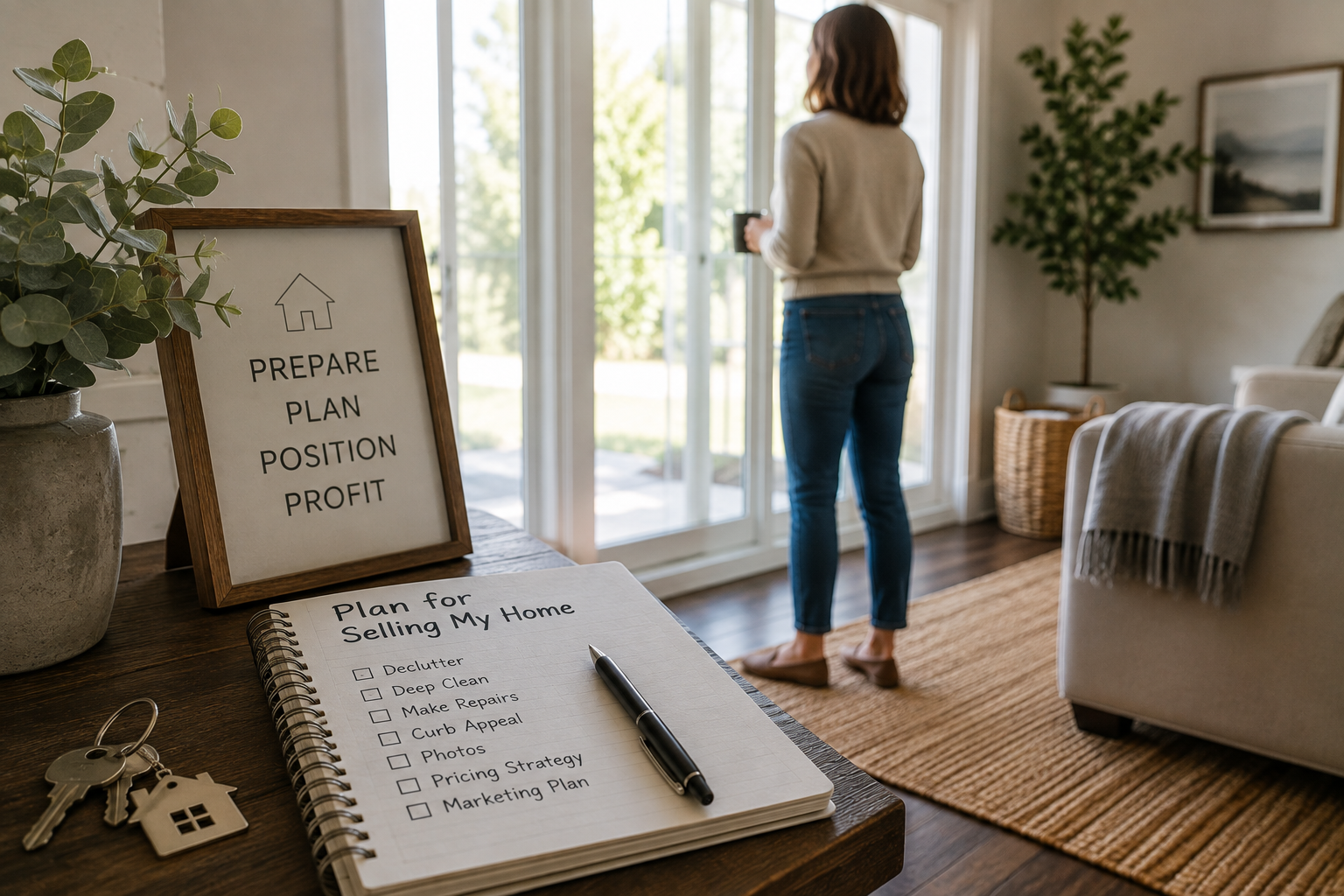
What Every St. Louis Home Seller Should Do Before Listing Their Home

Krista Hartmann
Comfortable and confident – those are some of the feelings you come away with after meeting Krista...
Comfortable and confident – those are some of the feelings you come away with after meeting Krista...
If you're thinking about selling your home, it's easy to assume the process begins the day the "For Sale" sign goes in the yard.
In reality, the most successful home sales begin weeks—or even months—before the listing ever goes live.
One of the biggest advantages you can give yourself is time.
Time to prepare.
Time to make smart decisions.
Time to create a strategy instead of rushing to meet a deadline.
Since helping homeowners in the St. Louis area since 2014, I've found that the homes that generate the most interest are rarely the ones with the biggest budgets. They're the ones that have been thoughtfully prepared before buyers ever see them.
Here are the steps I recommend before putting your home on the market.
Step 1: Schedule a Pre-Listing Consultation
This is where everything begins.
Before spending money on updates or repairs, invite your REALTOR® to walk through the home with you.
Every property is different.
Some homes need very little preparation.
Others may benefit from fresh paint, landscaping, or a few cosmetic updates.
The goal is to create a plan that's specific to your home—not a generic checklist.
One of the things I enjoy most is helping sellers decide what improvements are worth making and, just as importantly, which ones they can confidently skip.
Step 2: Declutter Your Home
One of the easiest—and least expensive—ways to make your home feel larger is to remove excess belongings.
Buyers aren't purchasing your furniture.
They're evaluating the space itself.
Removing extra furniture, organizing closets, clearing countertops, and packing away personal collections allows buyers to focus on the home's features instead of its contents.
If you're planning to move anyway, packing a few boxes early is never a bad idea.
Step 3: Take Care of Small Repairs
You don't need a perfect home to sell successfully.
But small maintenance items can create larger concerns in a buyer's mind.
Loose door handles.
Leaky faucets.
Scuffed walls.
Burned-out light bulbs.
Missing trim.
Squeaky doors.
Individually, these issues may seem minor.
Collectively, they can leave buyers wondering what other maintenance has been overlooked.
Taking care of the little things often makes a much bigger impression than homeowners expect.
Step 4: Deep Clean Everything
A clean home feels well cared for.
Professional cleaning is one of the best investments many sellers make before listing.
Pay special attention to:
- Windows
- Baseboards
- Kitchens
- Bathrooms
- Ceiling fans
- Light fixtures
- Floors
Cleanliness isn't something buyers usually compliment.
But they almost always notice when it's missing.
Step 5: Improve Your Curb Appeal
Your home's first showing begins before buyers ever walk through the front door.
Simple improvements can make a tremendous difference.
Fresh mulch.
Trimmed bushes.
A swept porch.
Seasonal flowers.
Pressure washing.
A freshly painted front door.
These small projects help create a welcoming first impression that carries throughout the showing.
Step 6: Think About Your Next Move
One conversation I often have with sellers isn't about their current home.
It's about the next one.
Are you buying another home?
Relocating?
Downsizing?
Building?
The answers affect your timeline, pricing strategy, and overall plan.
If you're buying and selling at the same time, we may discuss negotiating a longer closing on your next home, preparing your current home before it goes on the market, and coordinating both closings to happen on the same day whenever possible.
Planning ahead gives you more flexibility and often results in a much smoother transition.
Step 7: Prepare for Professional Photography
Today's buyers almost always see your home online before deciding whether to schedule a showing.
That's why photography matters so much.
Before photos are taken:
Open blinds and curtains.
Replace burned-out light bulbs.
Remove unnecessary items from countertops.
Hide pet bowls and litter boxes.
Straighten furniture.
Add fresh towels if appropriate.
Small details make a surprisingly big difference in how your home appears online.
Step 8: Price It Correctly From the Beginning
Pricing is one of the most important decisions you'll make.
A home that's priced appropriately from day one typically attracts more attention, more showings, and often stronger offers.
Waiting too long to adjust an overpriced listing can make buyers wonder why the home hasn't sold.
That's why I believe pricing should be based on market data—not guesswork or emotion.
Step 9: Create a Marketing Plan
Marketing involves much more than placing a home in the MLS.
Before launch day, I like to have a complete marketing plan in place.
That includes:
Professional photography.
Compelling listing remarks.
Online marketing.
Social media exposure.
Showing strategy.
Launch timing.
Everything should be ready before the listing becomes active so your home makes the strongest possible first impression.
Step 10: Have a Plan B
One lesson I've learned over the years is that even the best-planned transactions can encounter unexpected challenges.
Inspection issues.
Financing delays.
Closing date changes.
Weather.
Life happens.
Having a backup plan doesn't mean expecting problems.
It simply means you're prepared if something changes.
I've found that sellers with a Plan B tend to feel much more confident because they know they have options.
Final Thoughts
Preparing your home for sale isn't about creating perfection.
It's about creating confidence.
Confidence for buyers.
Confidence in your pricing.
Confidence in your marketing.
And confidence that you've positioned your home to make the best possible first impression.
The more preparation that happens before your home hits the market, the smoother the process usually becomes.
And in my experience, that's one of the best investments a seller can make.
Frequently Asked Questions
When should I start preparing my home for sale?
Ideally, several weeks—or even a few months—before listing. Early preparation gives you time to make thoughtful improvements without feeling rushed.
Should I make repairs before selling?
Small repairs are often worthwhile because they help buyers feel more confident about the home's condition. A pre-listing consultation can help prioritize which repairs make sense.
Do I need professional staging?
Not always. Many homes simply benefit from decluttering, rearranging furniture, and preparing the home for professional photography.
Why is pricing so important?
The right price attracts buyers early, generates more interest, and often leads to stronger offers. Overpricing can reduce showings and cause a home to sit on the market longer
Selling Your Home?
Get your home's value - our custom reports include accurate and up to date information.